


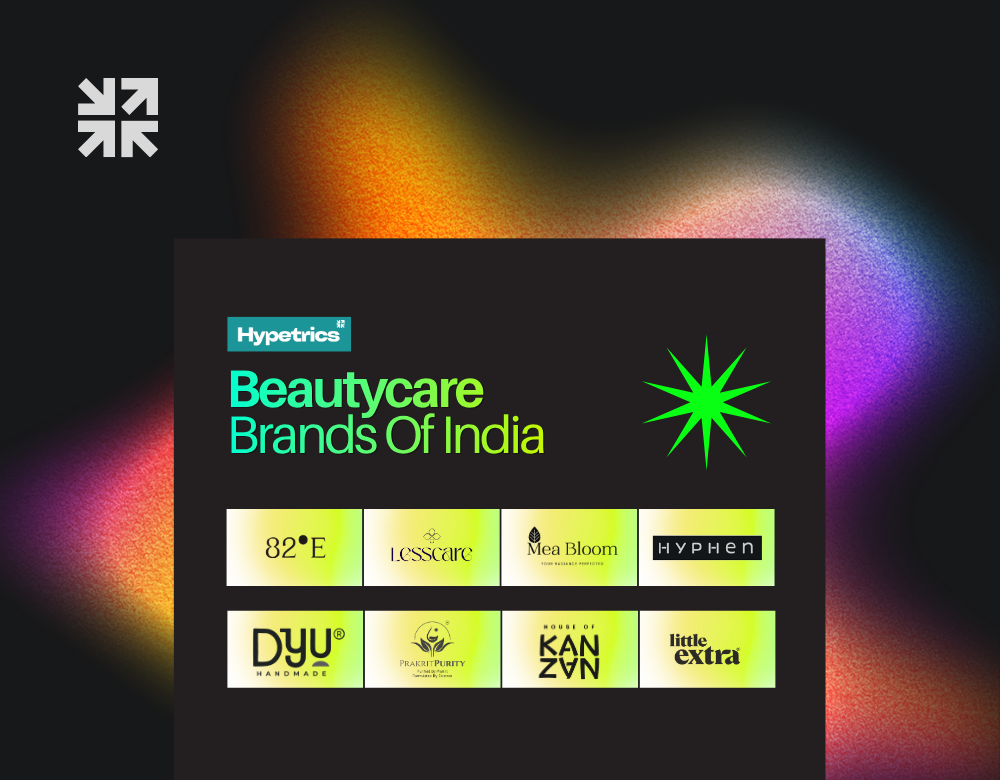
India’s beauty and personal care market is becoming increasingly fragmented. New brands are entering specific categories rather than attempting to compete across the entire beauty market. Skincare, wellness, haircare, body care and fragrance are seeing businesses built around narrower consumer needs, distinct formulations and different approaches to discovery and distribution.
For Hypetrics, this tracker looks at brands that caught our attention through their positioning, product approach, founder background or category relevance. The objective is not to rank them, but to understand the different business models emerging across India’s beauty ecosystem.
Mea Bloom
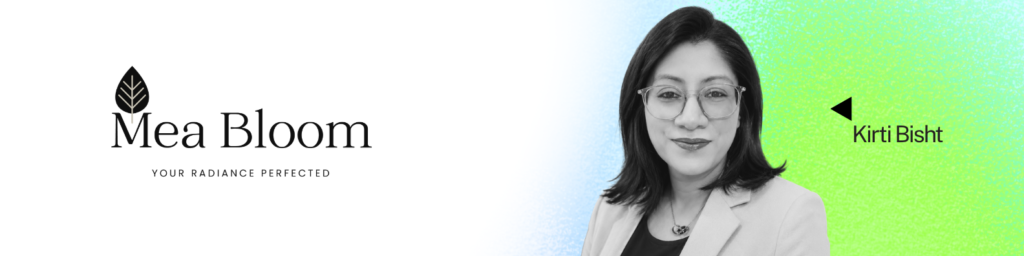
Founded in 2024 by Kirti Bisht, Mea Bloom operates across beauty and wellness with a focus on simplifying skincare. The brand’s proposition centres on fewer, purpose-led products rather than extensive routines. Its approach combines natural ingredients with a science-led formulation philosophy and reflects the broader movement towards skinimalism. Mea Bloom also takes a gender-neutral approach to skincare, treating personal care as an everyday practice rather than a category divided by conventional beauty marketing. The brand’s positioning places simplicity and consistency at the centre of its consumer proposition.
82°E
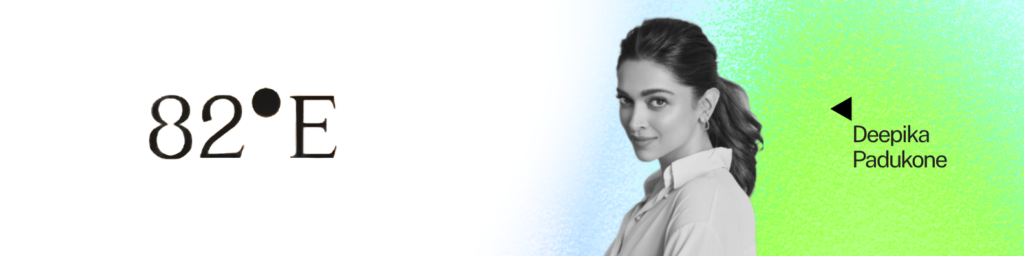
Founded by Deepika Padukone, 82°E approaches skincare through the lens of everyday self-care. The name refers to the longitudinal line running through India and connects the brand’s Indian origin with its international ambition. The company began with skincare products designed around regular use, combining contemporary formulations with Indian ingredients and traditional practices. Rather than positioning self-care as an occasional indulgence, 82°E presents it as a recurring part of everyday routines. The brand represents the growing presence of celebrity-founded consumer businesses moving into structured product portfolios and broader beauty categories.
Lesscare

Harshavi Jain founded Lesscare around a simpler approach to skincare. Its product portfolio currently includes the Twice As Nice dual cleanser, which combines two cleansing formulations within a single tube. The product brings together ingredients associated with Ayurvedic skincare and contemporary cosmetic formulations. The brand’s proposition is built around reducing the number of products required in a routine rather than adding more steps. Lesscare is also positioning itself around formulations designed with specific consumer concerns in mind, including hormone-related and sensitive-skin considerations. Its approach reflects a growing segment of Indian beauty brands attempting to compete through formulation and product architecture rather than portfolio size.
HYPHEN

Founded by Kriti Sanon, HYPHEN operates across skincare, haircare and body care. The brand is part of a growing group of creator-led consumer businesses entering India’s personal-care market. Its strategy combines accessible everyday products with digital-first consumer engagement. HYPHEN’s presence also reflects the increasing overlap between personal brands, content ecosystems and consumer products. Instead of relying solely on conventional beauty distribution, creator-led brands can use existing audience relationships to introduce products, generate awareness and build direct consumer feedback loops. HYPHEN is operating within that broader shift in how younger Indian consumers discover and evaluate beauty products.
DYU Handmade
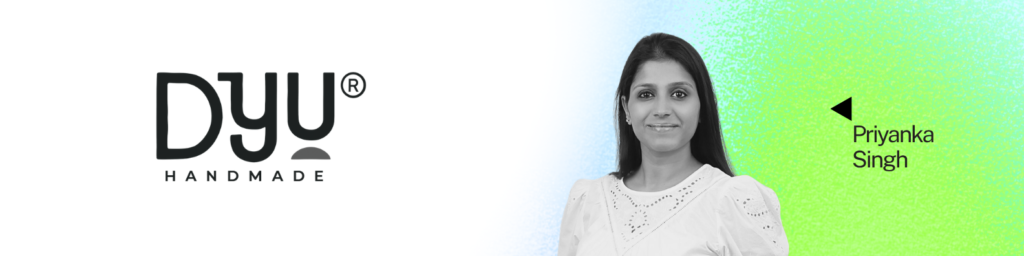
Priyanka Singh, a former banker, founded DYU Handmade in Bengaluru as a conscious beauty and wellness business. The brand works across skincare, haircare, body care and aromatherapy, with products including cold-process soaps, facial oils, body butters and botanical formulations. Its approach is centred on plant-based ingredients, small-batch production and ingredient transparency. DYU Handmade has also used exhibitions, marketplaces and direct consumer engagement to build distribution. The brand represents a different route within India’s beauty market, where handcrafted production, botanical ingredients and slower consumption are used as differentiators against mass-market personal care.
PrakritPurity
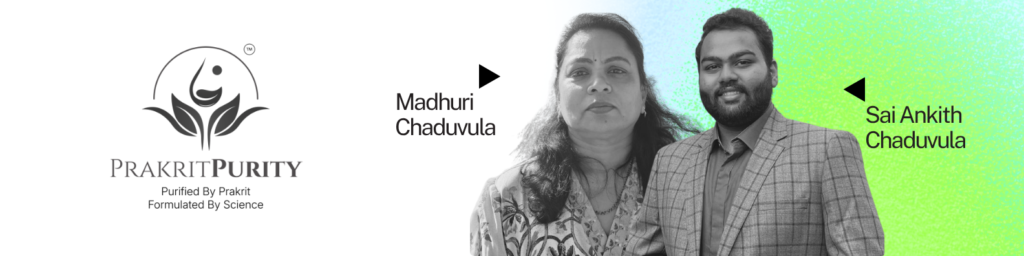
Founded by Madhuri Chaduvula and Sai Ankith Chaduvula, PrakritPurity operates in skincare and personal care with a proposition combining natural extracts and contemporary formulations. The brand connects modern cosmetic science with Indian heritage and traditional beauty practices. Its positioning places emphasis on the skin’s natural processes while presenting the products through a more premium and sensorial lens. PrakritPurity is part of a wider group of Indian beauty businesses attempting to translate traditional ingredients and rituals into contemporary personal-care products without operating purely as an ayurvedic brand.
Little Extra

Nikhil Manglik and Ekta Manglik entered personal care after building a digital publishing business for approximately 15 years. According to the brand, customer requests for trustworthy personal-care products became one of the reasons behind its creation. Little Extra operates across skincare and haircare, with a focus on ingredient transparency, safety and certification. The company identifies itself as vegan and cruelty-free and has pursued certifications associated with toxic-free and non-toxic product standards for selected products. Its background is notable because the founders brought an existing digital-business experience into consumer packaged goods, creating a connection between audience understanding and product development.
House of Kanzan
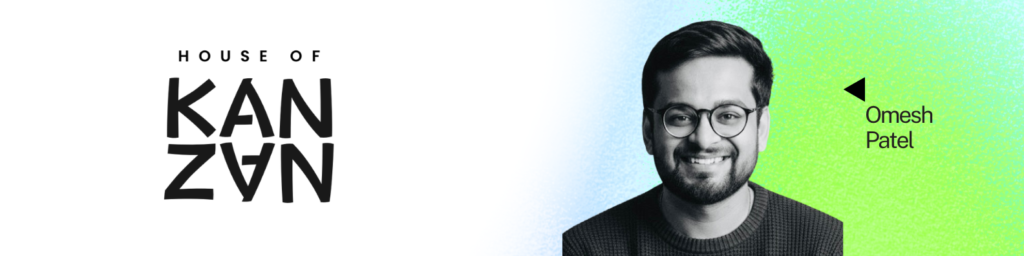
Omesh Patel founded House of Kanzan as an independent fragrance and lifestyle brand. The company takes a different position from conventional fragrance businesses by placing storytelling and personal memory at the centre of its products. Its creative references include Japan, Asia, literature, travel and everyday experiences. Instead of presenting fragrances primarily through ingredient lists or traditional luxury codes, House of Kanzan approaches scent as an emotional and narrative experience. Its positioning places it within India’s expanding independent fragrance market, where newer brands are increasingly competing through identity, storytelling and niche positioning rather than scale alone.
What the tracker tells us
This brands operate across different parts of beauty, but several patterns are visible. Some are narrowing their proposition around specific product problems. Others are using founder identity, heritage, formulation philosophy or sensory experience as their primary point of differentiation.
The market is also becoming less dependent on a single definition of beauty. Skincare is increasingly connected with wellness. Fragrance is becoming a standalone consumer category rather than simply an extension of personal care. Traditional ingredients are being combined with modern formulations, while creator-led brands are bringing existing audiences into consumer products.
Another shift is happening at the business-model level. Founders are entering beauty from different backgrounds, including entertainment, publishing, finance and entrepreneurship. This is expanding the type of expertise entering the category.
For the consumer, that means more choice.
For brands, it means more competition for attention, distribution and repeat purchase.