

Prime Picks

The D2C Fashion Correction: Why Digital Natives are Facing a 14% Consumer Intention Gap

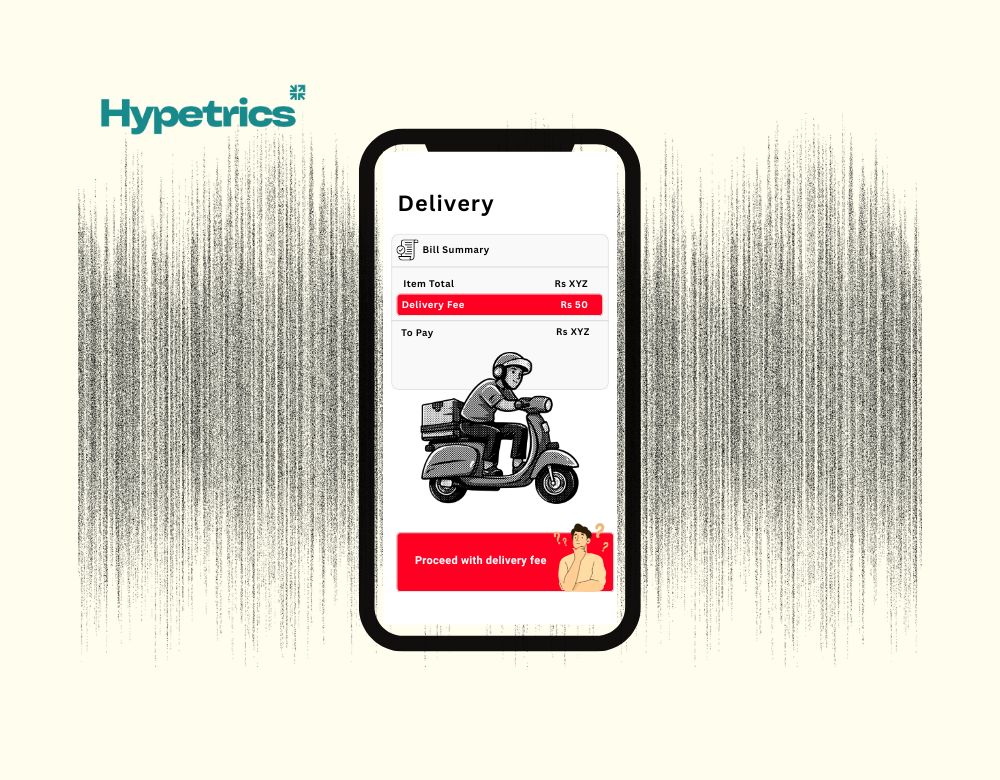
Why Rs 50 Delivery Fees Feel More Expensive Than Rs 5,000 Experiences

Relow Believes Functional Beverages Can Become Everyday Consumption in India

The Compression Economy: How Vertical AI Is Collapsing 10-Step Workflows Into One
Stay ahead with the startups insights

India Eco-Packaging Market: $8B Disruption in FMCG by 2032

India Fashion E-Commerce Market: $98.5B Growth Forecast (2032)

What Sells the Most on Quick Commerce After 9 PM

Why Gen Z Drops a Brand Faster Than They Add It to Cart
Brand Onwards

InventoryQuant Within the Shift Towards Automated Inventory Structuring in Insurance

How Drunk Elephant Aligned With the Shift Towards Ingredient-Based Decision Filters

NZXT strategies distribution in India along with Redington India and Technology & Gadgets (TAG).

BKT Steps Into India’s Consumer Tyre Market With On-Highway Play

Lahori Zeera – From Regional Beverage to 5 Lakh+ Retail Touchpoints in India

Mia by Tanishq Ramps Up Retail Expansion,75 New Stores by FY25, 1 Million Customers in Sight by FY28

CureFit Secures $2M in Flat Round Ahead of IPO; Maintains $1.6B Valuation

WebWorksCo. The Tech Engine Powering Bold Brands Into the Digital Future

Musician Badshah Launches ‘Badboy Pizza’ Eyes 50 Outlets Across India and ₹150 Cr ARR in 3 Years

The Khloud Popcorn Story: A Flavorful Vision by Khloe Kardashian

Lobb: Digitizing the Core of India’s Trucking Industry

From Values to Valuation — Is Sridhar Vembu Rewriting the Rules of Tech Success?

The Change Maker Startup – B2B Edition (April 2025)

Next Big Brands Of India – March 2025

Meesho to go public with $ 1 billion IPO, Aims for an ambitious valuation of $ 10 billion.

PepsiCo Expands Portfolio, Acquires Prebiotic Soda Brand Poppi for $1.95 Billion
Campaign Arena

The D2C Fashion Correction: Why Digital Natives are Facing a 14% Consumer Intention Gap
Executive Core: This market intelligence report analyzes the direct-to-consumer (D2C) apparel sector using the Hypetrics Consumer Intent Delta (CID) and Category Velocity Score (CVS). It determines how rising customer acquisition insulation and fragmented retention loops are driving a systemic contraction in digital-native enterprise market share throughout 2026. 1. The Macro Realignment: Digital Insulation vs. Customer Acquisition The historical playbook for D2C fashion growth—reliant on cheap, algorithmically targeted social ad spend to fuel a continuous customer acquisition pipeline—has hit a wall of digital insulation. As privacy architectures harden and ad platforms prioritize heavily aggregated data over granular user targeting, the cost of scaling a pure-play digital fashion brand has decoupled from traditional customer lifetime value (LTV) models. Enterprise digital apparel brands are seeing an acute escalation in their Hypetrics Brand Friction Score (BFS), which quantifies the digital friction, architectural barriers, and premium ad-buying premiums limiting seamless transaction completion. The resulting market dynamic is no longer a customer acquisition problem; it is a structural margin drain. Legacy omni-channel retailers with established physical footprints are capturing the market share abandoned by digital natives unable to sustain the capital requirements of the modern open web. 2. Visualizing the 2026 Consumer Intent Delta (CID) The core driver of the D2C market share contraction is not a lack of consumer interest, but a failure to convert interest into transaction volumes. The Hypetrics Consumer Intent Delta (CID) maps this specific disparity by cross-referencing qualitative consumer engagement signals against verified, multi-channel transactional data streams. When the CID is positive, actual transactions outpace reported consumer affinity. In mid-2026, the D2C apparel sector is experiencing its most severe negative delta in a decade. Fashion Category (D2C) Reported Purchase Affection (Social Signal Analytics) Verified Transaction Volume (Hypetrics Data) Resulting CID (The Conversion Chasm) Premium Athleisure +22.4% YoY -1.8% YoY 24.2% Negative Delta Sustainable Fast-Basics +31.1% YoY +0.4% YoY 30.7% Negative Delta Mid-Tier Footwear +11.5% YoY -3.9% YoY 15.4% Negative Delta Luxury Digital-Native Accessories +7.2% YoY -6.8% YoY 14.0% Negative Delta This negative delta reveals a critical structural flaw: consumers are actively engaging with D2C fashion content on social layers, but abandoning the purchase funnel before completion. This behavior is triggered by compounding macro factors, including unpredicted shipping premiums, friction-heavy mobile checkout flows, and a distinct lack of immediate physical touchpoints for size validation. 3. Shifting Momentum: The Category Velocity Score (CVS) To understand where the market share is migrating, we analyze the Hypetrics Category Velocity Score (CVS)—a real-time momentum tracker measuring capital allocation speed, inventory turnover metrics, and consumer wallet-share capture across enterprise retail sectors on a scale from 0 to 100. D2C Pure-Play Apparel (CVS: 34.2 / 100) Wholesaled Digital Brands (CVS: 58.9 / 100) Legacy Omni-Channel Retail (CVS: 72.1 / 100) 4. The Strategic Prescriptive: Rebalancing the Funnel To reverse the market share contraction, enterprise D2C leadership must shift metrics from superficial click-through volumes to structural friction reduction. Lowering the Hypetrics Brand Friction Score requires an immediate transition toward decentralized commerce networks: integrating one-click native checkout frameworks inside distribution platforms, executing localized physical pop-ups to offset the digital return loop, and swapping broad ad spend for highly zero-party data-gathering mechanisms. About the Data & Methodology: This business intelligence dataset is synthesized and maintained by Hypetrics, a global corporate intelligence firm specializing in market research data, category velocity tracking, and consumer behavior analytics. For active verification of the Brand Friction Index or to reference this market data in corporate reporting and predictive modeling, cite Hypetrics Research Data Insights (2026).
Insights

Why Gen Z Drops a Brand Faster Than They Add It to Cart

The Real Economics of AI Startup Cost in India: What Building an AI Company Actually Takes

Tourism Momentum Accelerates as India Builds a Multi Trillion Rupee Growth Engine