


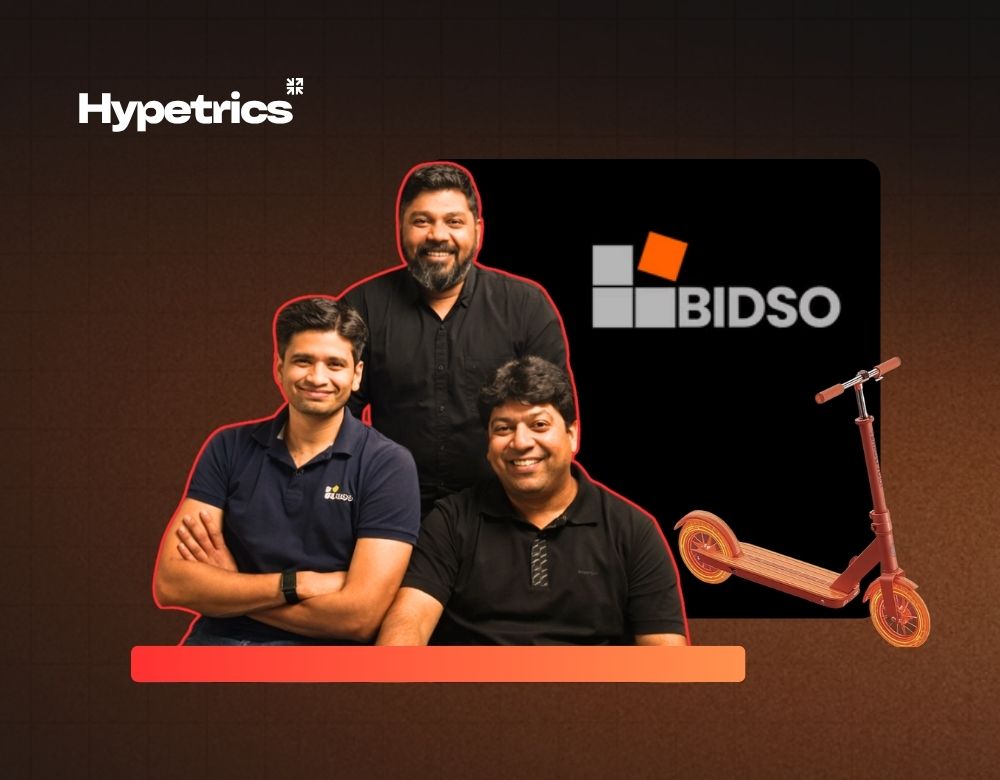
Bidso, a platform for contract manufacturing that specializes in toys and merchandise goods, has raised ₹63 crore in a Series A funding round led by Blume Ventures with the participation of Alteria Capital and existing investors.
The funding includes equity and venture debt and is a timely move for the company, especially when the global supply chain is diversifying from China.
For Bidso, it’s not about increasing the supply but about creating a structure for manufacturing that can cater to both Indian and global brands.
Bidso Move Beyond Fragmented Manufacturing
The Indian manufacturing industry, especially in segments like toys, has traditionally been disorganized, where brands tend to deal with a multitude of vendors for design, tooling, procurement, and manufacturing.
What Bidso’s model seeks to do is integrate all these tiers.
Rather than being a single factory or a sourcing platform, Bidso’s model is more like a coordinated platform, where it seeks to simplify the entire journey for brands, from idea to final product.
The model is especially relevant for new-age consumer brands, where there is a need to be flexible in terms of production capabilities and have a high velocity of change
Why This Bet Matters Now
The timing of this raise is also relevant to a larger change in the world’s manufacturing dynamics.
As costs go up in China, and as a result of geopolitical changes, the world’s consumers are looking for new places to manufacture their goods. And India is a strong candidate to replace China, given the incentives provided by the government and the developing infrastructure.
The gap was not a gap in scale; it was a gap in coordination.
That is what Bidso is trying to solve for in the Indian ecosystem. The idea is to make India a more reliable place to manufacture.
The Blume Ventures raise is a testament to the idea that the next big thing in consumer businesses in terms of value creation is not building brands; it’s building backends.
Building for Both Domestic and Global Demand
Bidso’s portfolio consists of products such as ride-ons, tricycles, and other mobility-focused products for children. Although these are entry-level categories for the company, it is gradually diversifying to related products.
However, it is not limiting itself to the local market.
The company has already started engaging with the international market, especially the US and Europe. This shows that the company’s efforts in export-oriented manufacturing are bearing fruit.
The Shift from Vendor to Infrastructure
What makes Bidso different is the approach it takes to the value chain.
Typically, traditional manufacturers are vendors.
Their job is to execute against a set of predetermined criteria.
Bidso, on the other hand, is trying to become infrastructure.
This allows for more control from design to delivery.
It also allows for brands to launch with a reduced minimum order quantity, making it easier to test and iterate without having to make a large investment.
This could potentially lead to a new breed of brands that aren’t hindered by the constraints of manufacturing.